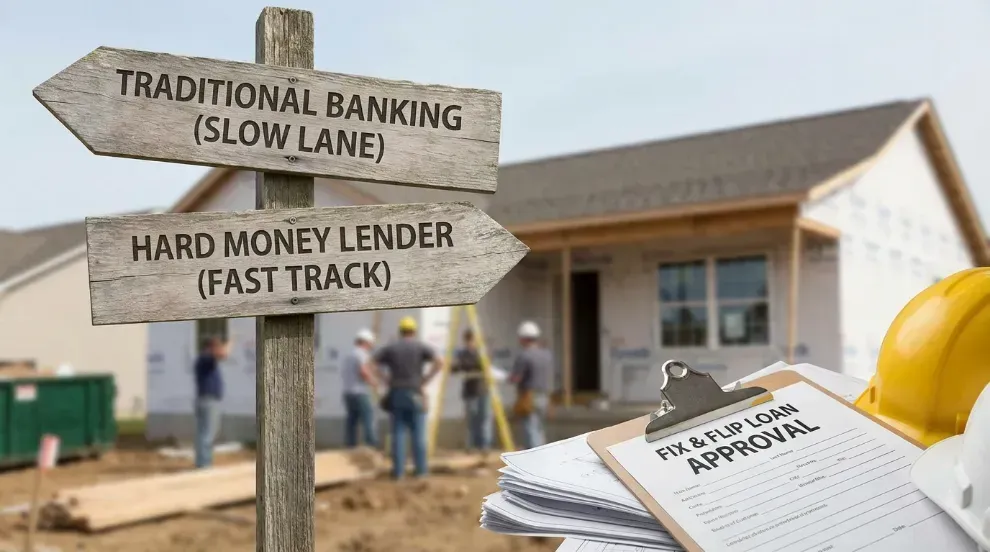



Fix-and-Flip Financing: Understanding Purchase, Rehab, and Total Project Costs
Investors often ask how purchase and rehab financing works for a fix and flip when budgets must cover acquisition, repairs, and holding costs in one plan. CapitalFlow Solution structures short-term capital so purchase price, rehab scope, and total project costs stay aligned from underwriting through exit for eligible U.S. investment properties.
Key takeaways
- Purchase funds cover the property price and closing costs within lender guidelines.
- Rehab funds are typically drawn against a verified scope and draw schedule.
- Total project cost combines purchase, rehab, soft costs, and reserves.
- Clear budgets and exit plans support faster decisions on fix-and-flip loans.
What costs does fix-and-flip financing usually include?
Fix-and-flip financing typically bundles the purchase price, planned rehab hard costs, and related soft costs such as permits, insurance, and interest reserves into a single total project budget that lenders size against after-repair value and your exit. Loan programs map those line items early so draws and contingencies stay realistic.
Which budget line should drive purchase versus rehab sizing?
Purchase and rehab financing for a fix and flip works best when acquisition dollars are capped by as-is value and lender LTV rules while rehab dollars track a verified scope, draw schedule, and after-repair value, so total project cost stays coherent from closing through sale without mixing unsecured soft costs into hard construction draws.
| Cost bucket | Best for | Watch-out |
|---|---|---|
| Purchase advance | Closing price, title, and lender-allowed closing fees | Overpaying relative to as-is comps or max LTV |
| Rehab hard costs | Materials, labor, and staged draws against inspections | Scope creep without change-order approval |
| Soft costs and reserves | Permits, insurance, taxes, and interest holdbacks | Treating reserves as free cash for extras |
| Contingency | Unknowns after inspection or bid gaps | Skipping contingency and blowing total project cost |
Keep purchase sizing separate from rehab so underwriters can match each advance to collateral risk. Rehab should follow a contractor bid, timeline, and inspection-based draws rather than a lump sum at closing. Soft costs and interest reserves protect the hold period but do not replace equity or ARV discipline.
When you refine numbers with the CapitalFlow Solution approach, align exit timing to the full budget. For a next step on structure fit, contact the team with purchase price, scope, and target resale.
Purchase Financing vs Rehab Draws: Which Structure Fits Your Flip?
How purchase and rehab financing works for a fix and flip usually means a purchase advance at closing sized to as-is value and allowed fees, then separate rehab hard-cost draws released after inspections against an approved scope—not one mixed lump sum—so collateral risk, timeline, and total project cost stay clear from acquisition through resale.
Purchase capital covers the contract price and lender-permitted closing items. It is underwritten to current condition and loan-to-value limits, not to your finished vision. Overpaying relative to as-is comps compresses equity before the first swing of the hammer.
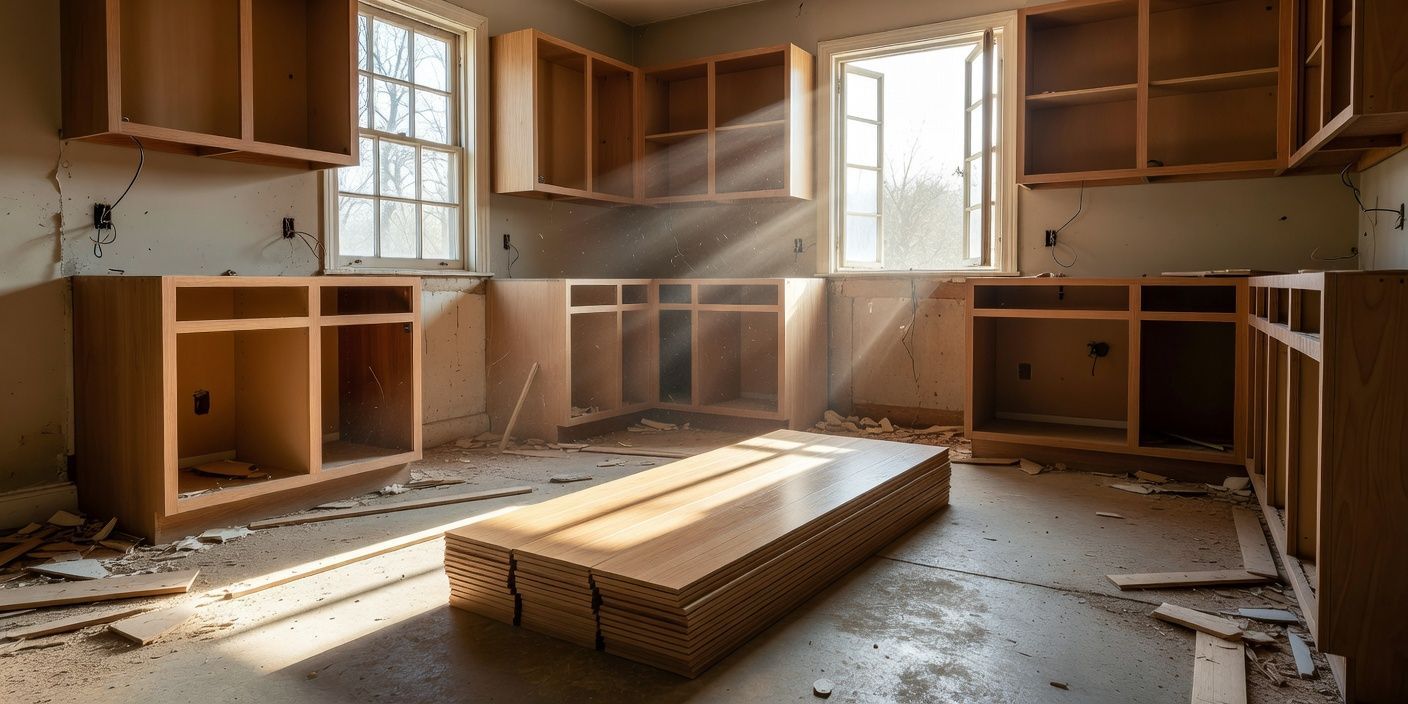
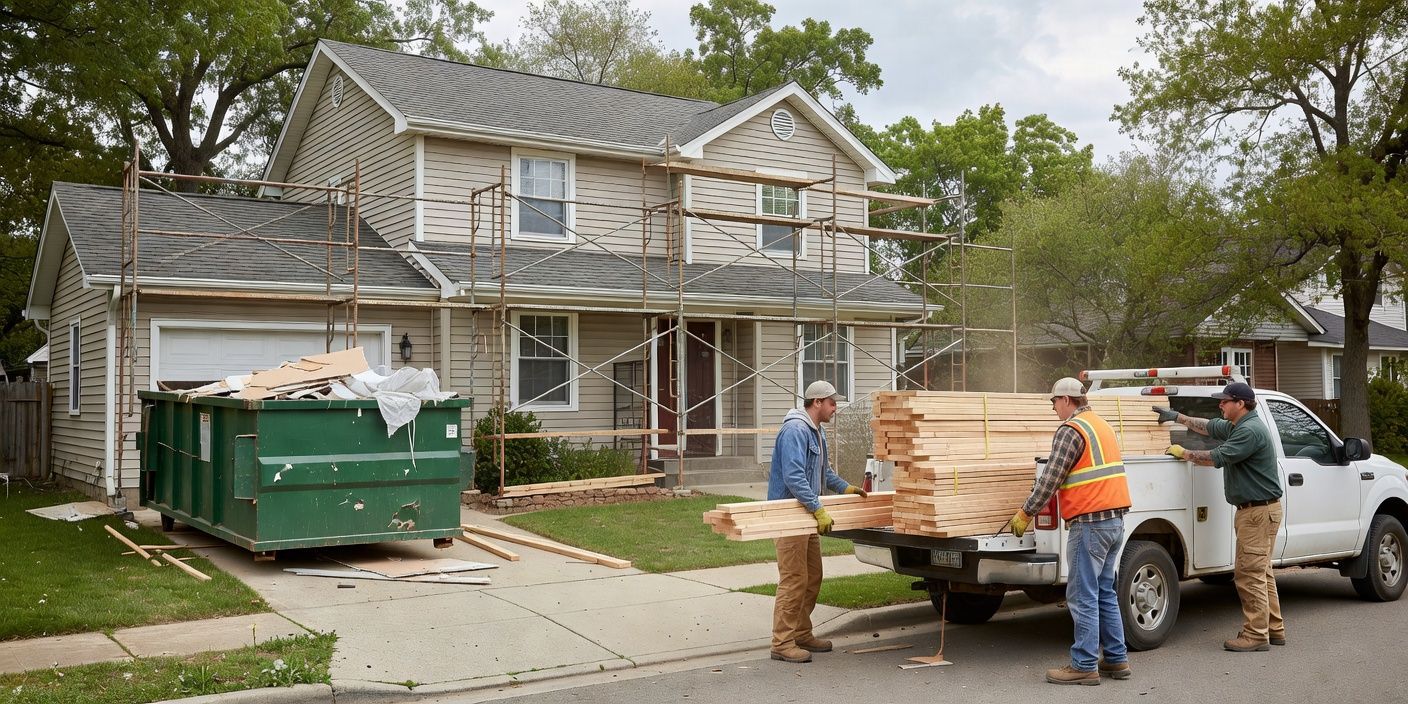
Rehab capital follows a bid, schedule, and staged inspections. Materials and labor fund only when work matches the plan. Scope creep needs a documented change order; otherwise draws stall and carrying costs rise.
Soft costs and interest reserves sit outside hard construction. They cover permits, insurance, taxes, and hold-period interest. They are not spare cash for upgrades. Contingency absorbs unknowns without rewriting the whole stack.
CapitalFlow Solution structures these buckets so purchase and rehab stay matched to risk. Review loan programs when you map advances to exit timing and ARV discipline.
How the three cost buckets stay separate
Purchase and rehab financing works for a fix and flip when advances track as-is collateral first, then verified hard costs, then limited soft items—so total project cost never hides inside one opaque draw. Lenders size the acquisition piece to current value and fees, hold rehab to an approved scope with inspections, and treat interest and contingency as reserves, not upgrade money. That keeps timeline and exit math readable from day one.
Soft costs stay thin on purpose. Permits, insurance, taxes, and hold-period interest protect the asset while work proceeds. They do not expand the bid. Contingency covers unknowns only after the base plan is locked.
| Cost bucket | What it funds | Release trigger |
|---|---|---|
| Purchase | Contract price, allowed closing fees | Closing, as-is LTV |
| Rehab hard costs | Materials and labor per scope | Inspections and draws |
| Soft / reserves | Permits, insurance, taxes, interest | Schedule and hold period |
CapitalFlow Solution underwriting matches each line to risk before funds move. When your numbers are ready, contact the team to align advances with your exit.
Total project cost and ARV discipline
Total project cost equals purchase plus rehab hard costs plus soft costs and reserves, judged against after-repair value so equity remains after sale or refinance. Overruns usually come from scope creep or weak as-is pricing, not from the loan structure itself. Keep change orders written and draws staged.
Preferred Source on Google Search
Add www.capitalflowsolution.com to customize your search feed across Top Stories.