

Ground-Up Construction Loans: Budget, Draws, Timeline, and Exit Strategy
Ground-Up Construction financing covers land, soft costs, hard costs, draws, and exit planning for new builds. Investors and developers in Tampa, Florida use staged funding tied to inspections and a clear hold-or-sell path. Capital Flow Solution structures these loans for investment entities seeking disciplined capital.
Key takeaways
- Budget every line item before closing so draws match approved costs.
- Draws release after verified progress, not on a fixed calendar alone.
- Timeline depends on permits, trades, weather, and inspection cycles.
- Exit strategy must fit refinance, sale, or lease-up before the loan matures.
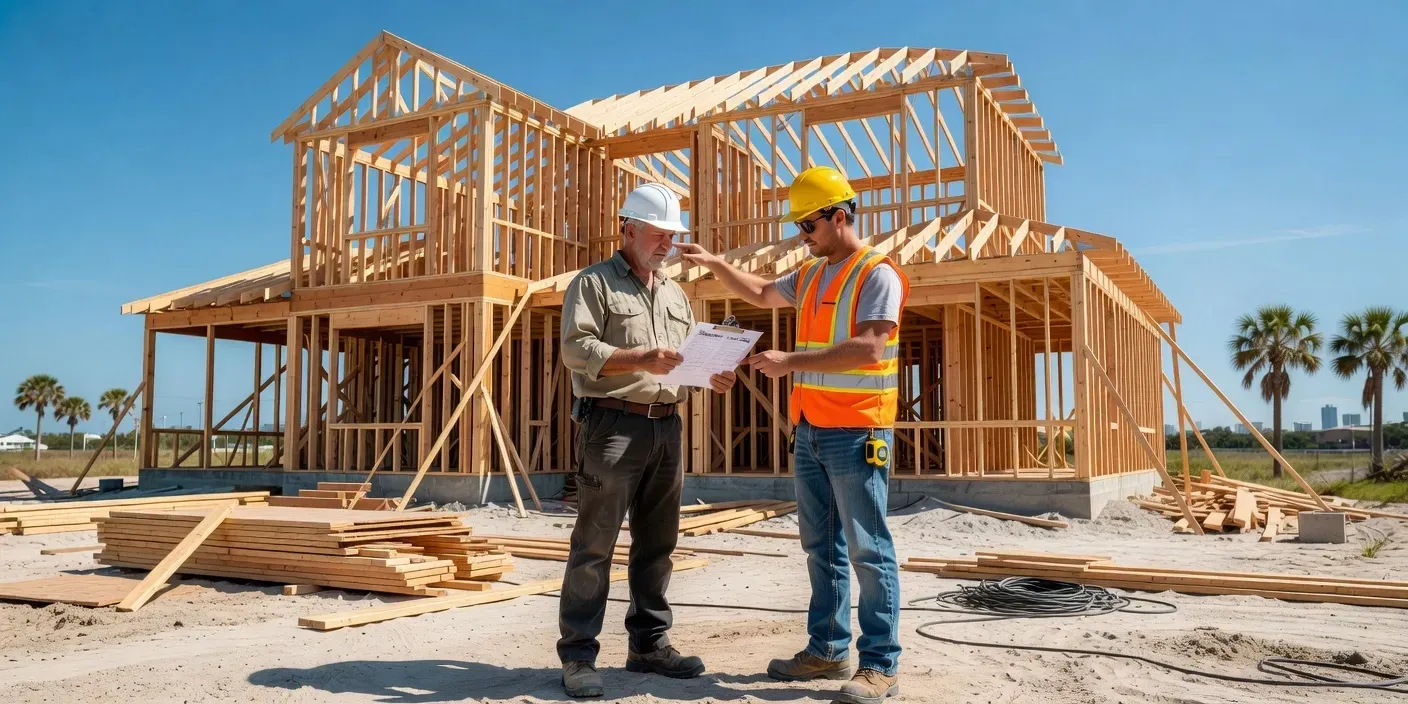
What does a ground-up construction loan cover?
A ground-up construction loan typically funds land or lot costs when allowed, architecture and permits, materials and labor, contingency, and interest reserves, released in draws as work is inspected and approved rather than as a single lump sum at closing for the full project.
Which draw schedule fits ground-up construction best?
For most Tampa, Florida ground-up construction projects, inspection-tied percentage draws beat calendar-only releases because funds match verified progress, protect contingency, and keep lenders aligned with permits, trades, and weather delays while you plan refinance, sale, or lease-up before maturity on the ground-up construction path.
| Option | Best for | Watch-out | Tampa note |
|---|---|---|---|
| Percentage-of-completion | Spec and build-to-rent | Under-document change orders | Storm delays need buffer |
| Milestone / stage draws | Clear scope single-family | Soft-cost lag at start | Permit timing varies by county |
| Voucher / invoice draws | Tight GC control | Slow pay if paperwork slips | Trade crews expect quick turn |
| Hybrid % + reserves | Interest-heavy builds | Over-reserve ties cash | Exit must clear before maturity |
Which Exit Path Fits a Ground-Up Construction Loan in Tampa?
Most ground-up construction borrowers in Tampa, Florida exit through sale, permanent refinance, or lease-up into hold, and the right path is the one that clears the construction note before maturity while matching absorption, rate risk, and your entity’s hold period after certificate of occupancy and final inspection.
Sale suits flip or speculative product when comps and buyer demand are clear. Refinance suits build-to-rent or long-hold assets once stabilized income supports agency, bank, or private permanent debt. Lease-up first works when you need occupancy proof before the take-out closes.
Time the exit from day one. Build interest reserves and contingency so weather, inspections, and punch lists do not push you past the loan term. Track CO, final draw, and title clean-up as hard gates, not afterthoughts
Capital Flow Solution structures ground-up construction around your chosen exit so draws, budget, and maturity stay aligned. When your pro forma and GC schedule are ready, request a term review and lock the path before vertical work starts.
Frequently Asked Questions
What budget items do lenders review for ground-up construction in Tampa?
Lenders typically review hard costs, soft costs, contingency, interest reserves, and permits so the total project cost covers vertical work through certificate of occupancy without shortfalls that stall draws or force unplanned equity. Keep line items tied to a signed GC contract and local fee schedules. Separate owner soft costs from builder hard costs. Document change-order rules early so Tampa inspection delays do not silently erode contingency.
How do construction draws usually work on a ground-up loan?
Draws are released against completed work after inspection, lien waivers, and title updates, so funds match progress rather than a fixed calendar and protect both borrower and lender through the build. Expect retainage until punch list and final CO. Align your GC pay apps with the lender’s inspector schedule. Missed paperwork slows funding more often than weather in Tampa, Florida projects.
How long does a typical ground-up construction timeline run?
From closing through CO, many small-to-mid multifamily or residential builds run roughly 12–24 months depending on scope, permitting, weather, and inspection cycles, with the loan term sized to include buffers past planned completion. Pad the schedule for site work and utility delays.
Preferred Source on Google Search
Add www.capitalflowsolution.com to customize your search feed across Top Stories.